Does Neuro Sharp really work? Here we talk about the ingredients of Neuro Sharp, its claims, side effects and much more…
Read until the end and draw your own conclusions!
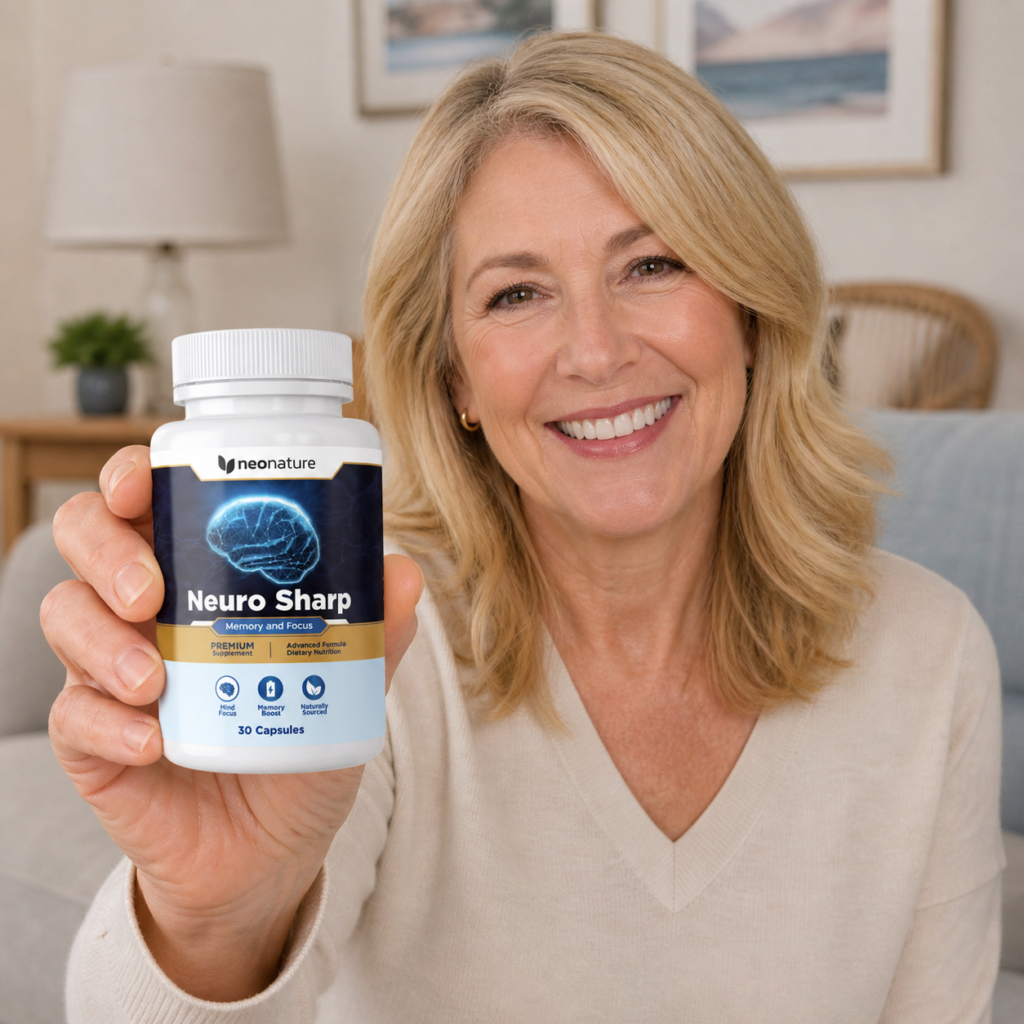
Have you heard of Neuro Sharp, a cognitive support supplement developed with a blend of carefully selected natural compounds designed to help support memory, focus, and overall mental clarity? We’ve received several messages from readers asking for a detailed opinion on this product, which led our team to take a closer look at Neuro Sharp. With our experience reviewing health and wellness supplements, we conducted in-depth research to evaluate whether it truly delivers on its claims. Our analysis explored key factors such as its formulation, ingredient quality, origin, and potential effectiveness in supporting brain performance, mental energy, and daily cognitive function. We also reviewed feedback from users who have tried Neuro Sharp to better understand possible side effects and reported changes in focus, clarity, and overall mental well-being. During our investigation, we found that Neuro Sharp is presented as a daily-use supplement designed to support long-term cognitive balance rather than short-term stimulation.
Therefore, in this 10-minute review of Neuro Sharp, I will share a clear and honest overview, including:
- Neuro Sharp Scam (How To Avoid The Scam) and Complaints & Negative Reviews
- What is Neuro Sharp?
- How Does Neuro Sharp Really Work?
- Neuro Sharp Benefits and Ingredients in the Formula
- Pros and Cons
- Real User Experiences & Customer Reviews
- Shipping Policy & Money-Back Guarante
- Conclusion
- Neuro Sharp FAQs
Well, there’s an important warning that really deserves your attention. We’ve come across a growing number of reports from people who were misled when ordering Neuro Sharp because they didn’t purchase it through the official website.
Many individuals are choosing to buy Neuro Sharp from retail stores or third-party platforms due to lower prices, but this often leads to receiving counterfeit products. For this reason, I strongly advise against purchasing from unauthorized sellers, as these versions may contain different ingredients or compromised quality. If you’re genuinely interested in trying NeuroSalt, the safest and most reliable option is to order directly from the official website.
Below you can read some of the reviews of people that got scammed because they ordered this supplement on Amazon
After conducting thorough research, our team has discovered that there have been complaints about Neuro Sharp from customers who purchased the supplement from unauthorized third-party sellers/websites like Amazon, Walmart, or eBay. These complaints include receiving fake bottles with different ingredients, which can be dangerous and ineffective. We can divide these complaints into two parts:
- Firstly, customers were scammed with fake bottles from sites that are NOT authorized distributor Neuro Sharp
- Secondly, customers were tempted with cheaper prices, but these fake boxes often contained different ingredients and had a slightly different bottle design.
If you are interested in buying Neuro Sharp, we only recommend that you place your order from the Official Website Here.
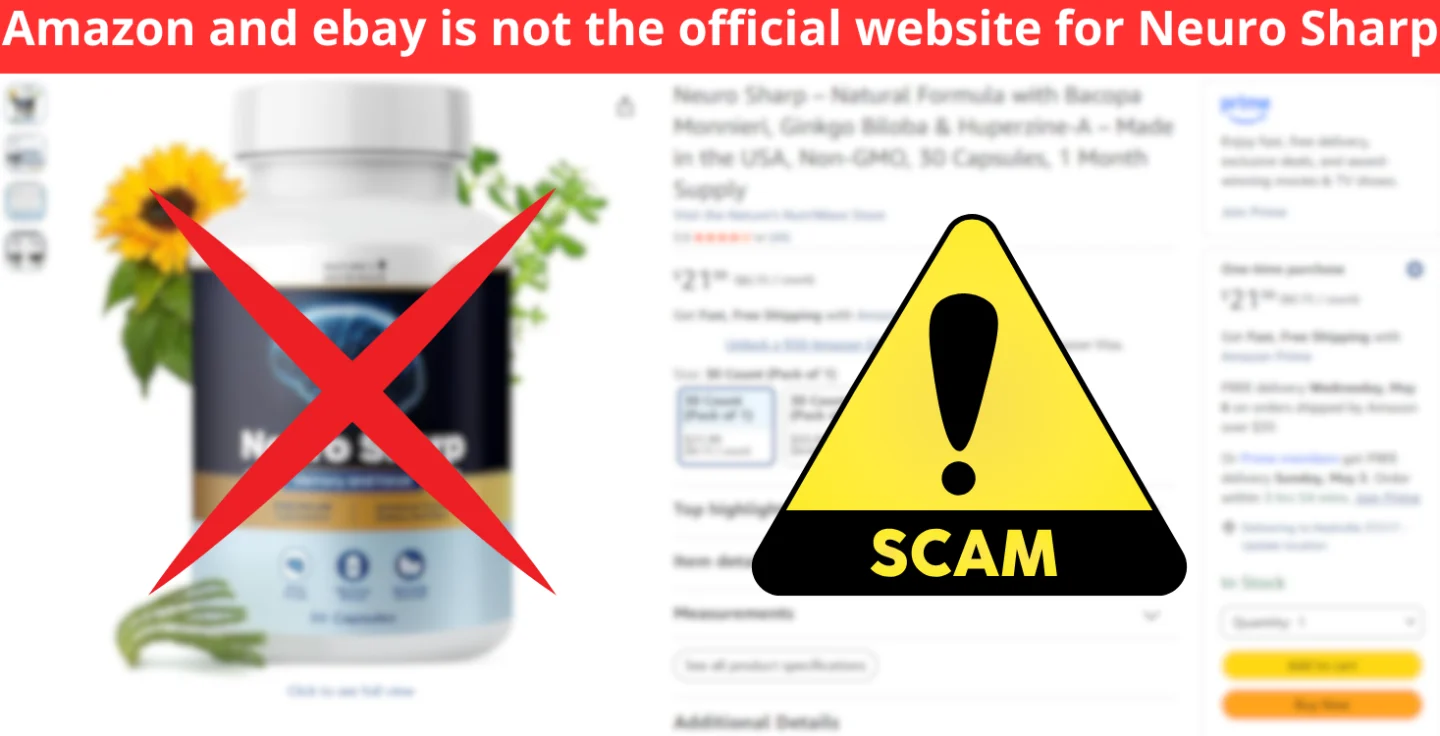
So as you can see, the risk of buying Neuro Sharp on other websites and receiving a counterfeit product is real and exists!
For this reason, I strongly advise you to order your bottles only on the official website, where in addition to the certainty of purchasing the legitimate product – manufactured in the USA – you have a 90-Day No-Risk Money-Back Promise.
(Quick note: More about Neuro Sharp side effects and ingredients down below)
To ensure the authenticity and safety of your purchase, it is highly recommended to obtain Neuro Sharp exclusively from the official website. By purchasing directly from the official website, you can be confident that you are receiving the genuine product, protecting your health and well-being from counterfeit and potentially harmful imitations.
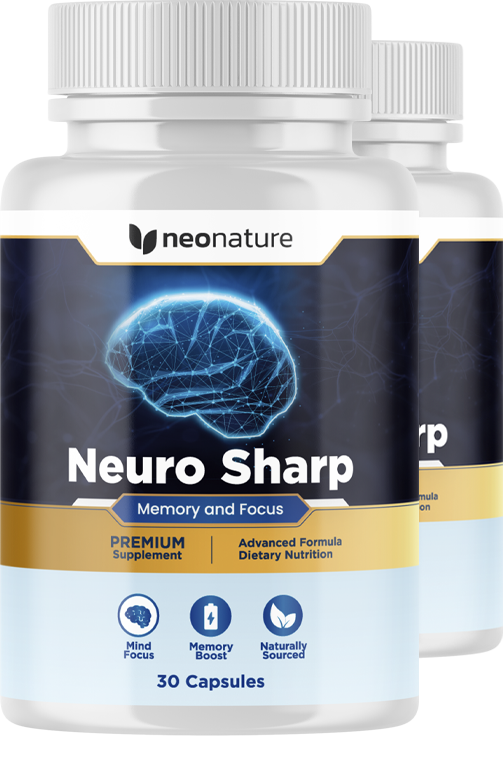
Neuro Sharp is a cognitive support supplement developed with a blend of natural compounds selected for their potential to support memory, focus, and overall mental clarity. Instead of focusing on short-term stimulation, the formula takes a broader approach by combining plant-based extracts, antioxidants, and brain-support nutrients that may help promote healthy circulation to the brain, support neural communication, and contribute to long-term cognitive balance. This multi-layered strategy is designed to assist individuals dealing with common mental performance challenges such as brain fog, lack of focus, mental fatigue, or reduced clarity—especially those looking for a more consistent, daily support option.
What makes Neuro Sharp stand out is its approach to supporting cognitive function through multiple pathways at once, including helping maintain balanced neurotransmitter activity, supporting healthy brain signaling, and contributing to overall mental performance. The formula brings together compounds traditionally associated with focus, clarity, and mental energy, rather than relying on temporary stimulants or basic blends. Manufactured in facilities that follow strict quality standards, Neuro Sharp has gained attention from users who report improvements in focus, mental clarity, and daily productivity with consistent use. As with any supplement, results may vary, and it’s recommended to consult a healthcare professional before starting Neuro Sharp, especially if you have existing conditions or are undergoing treatment.
Neuro Sharp works through a multi-layered approach designed to support key processes involved in cognitive function and overall mental performance. Instead of focusing on a single factor, the formula is structured to help promote balanced brain signaling, support healthy neural communication, and contribute to the protection of brain cells over time. By combining natural compounds traditionally associated with focus, clarity, and mental energy, Neuro Sharp aims to help the brain operate more efficiently and maintain consistent cognitive performance throughout the day.
The formula brings together ingredients known for their traditional use in supporting mental clarity, antioxidant protection, and overall brain balance, helping create an environment where cognitive processes can function more effectively. This inside-out approach is designed to support both short-term mental clarity and long-term cognitive health, especially when used consistently as part of a daily routine. Many users report gradual improvements in focus, memory, and productivity over time, although individual results may vary. Compared to isolated nutrients or temporary stimulants, Neuro Sharp is positioned as a more complete option for those seeking consistent, natural cognitive support without relying solely on short-term solutions.
Ginkgo Biloba Leaf
Supports healthy blood flow to the brain, helping deliver oxygen and essential nutrients. This process is associated with improved mental clarity, sharper memory, and overall cognitive performance.
Phosphatidylserine Complex
Plays an important role in maintaining the integrity of brain cells and supporting efficient communication between neurons. It may help with memory retention, focus, and faster information processing.
Huperzine-A
Supports brain signaling by helping maintain healthy levels of acetylcholine, a neurotransmitter linked to learning and memory. This can contribute to better concentration and mental sharpness.
St. John’s Wort Extract
Traditionally used to support emotional balance and reduce feelings of stress. A more stable mood can help promote clearer thinking and improved cognitive performance.
N-Acetyl L-Carnitine HCI
Helps support mental energy by contributing to cellular energy production in the brain. This may assist with sustained focus and overall brain function over time.
Bacopa Monnieri
A well-known botanical traditionally used to support memory and learning capacity. It may help improve information retention and enhance overall cognitive processing.
Pros
- There are thousands of Neuro Sharp customers who have shared positive feedback about their experience with the product
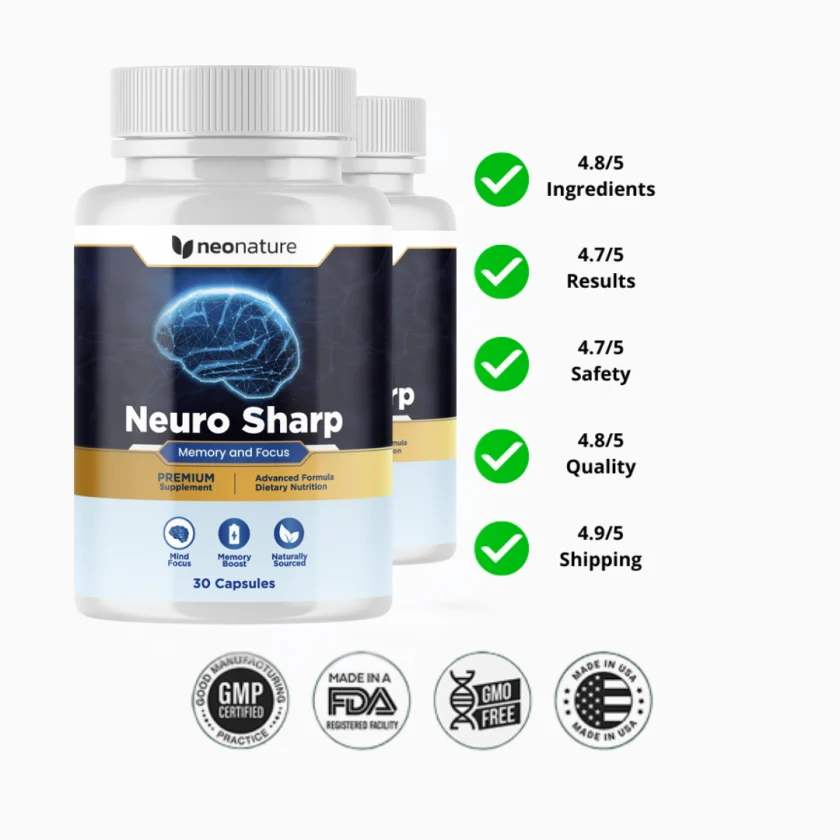
- It is manufactured in the USA and follows strict quality standards (CGMP Certified / FDA-registered facility claims shown on the page)
- No major side effects have been widely reported, featuring a natural formula designed to support nerve health and overall balance
- Easy to take daily capsule format
- 90-Day No-Risk Money-Back Promise gives you the confidence to try it risk-free
Cons
- Only available for purchase online
- Limited stock
- Results may vary
- Fake bottles on Amazon and eBay
- Need more than 3 bottles of Neuro Sharp to have long-lasting results
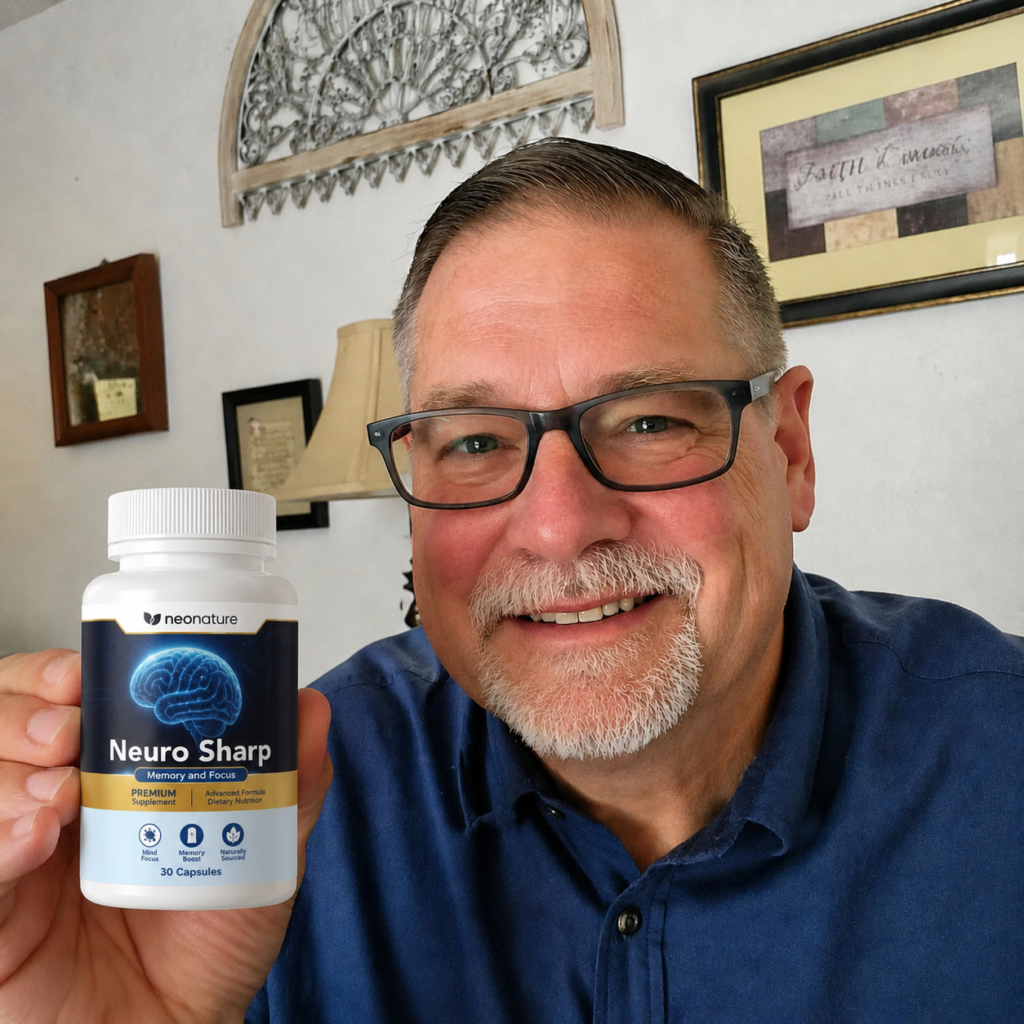
James R., 62 – San Diego, CA (US) ⭐⭐⭐⭐⭐ Verified Purchase
“Before Neuro Sharp, I was constantly worried about the nerve discomfort in my body and the constant tingling and burning sensations, no matter what solutions I tried. It was frustrating and made me feel uncomfortable during daily activities and even at rest. Since adding Neuro Sharp to my daily routine, my body feels more at ease for much longer, the sensations are less intense, and I feel noticeably more comfortable overall. It’s been such an easy part of my day, and I finally feel confident in my routine again!”
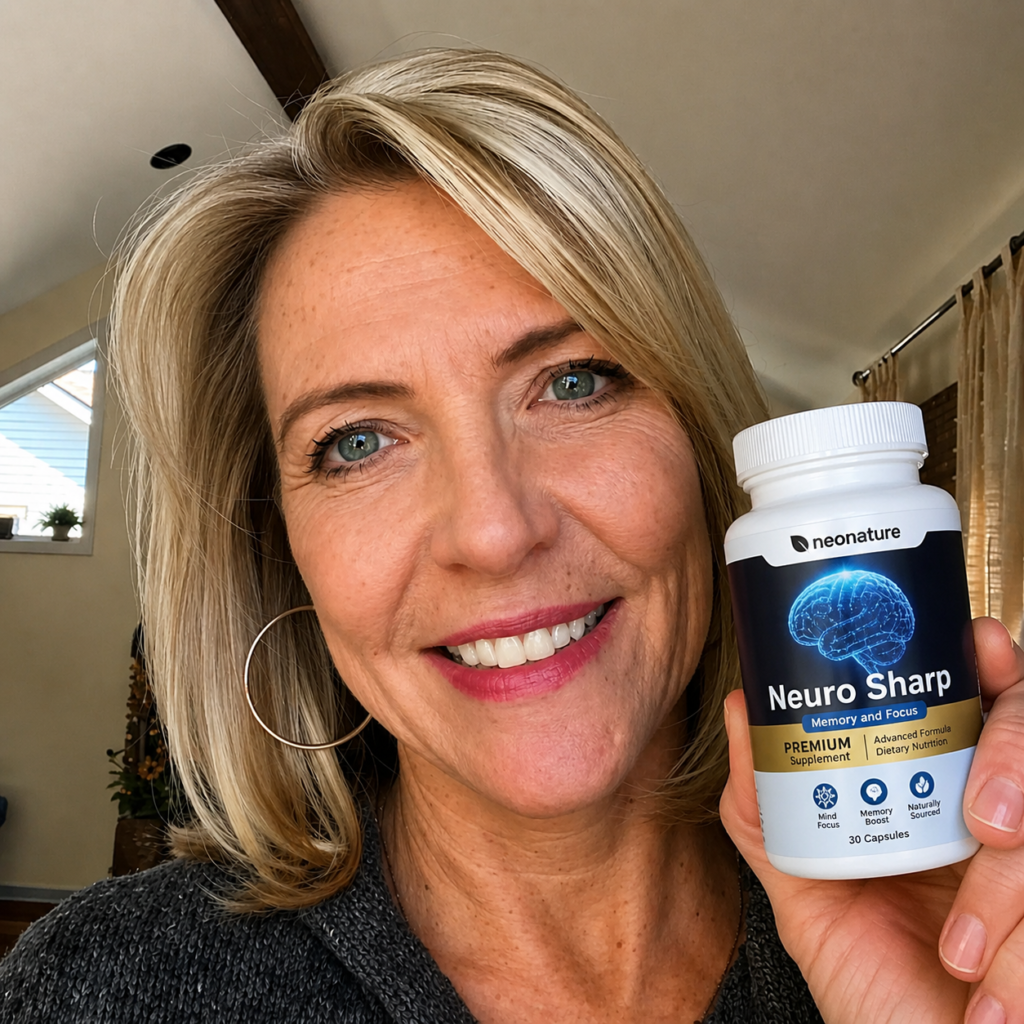
Michelle K., 54 – Albany, NY (US)
⭐⭐⭐⭐⭐ Verified Purchase
“Before Neuro Sharp, dealing with nerve discomfort was becoming frustrating because of the constant sensitivity, tingling, and occasional sharp sensations I felt throughout the day. I knew I needed to try something different, but I wanted something simple that could fit into my routine. Since starting Neuro Sharp, my body feels more comfortable, the sensations feel less intense, and my daily routine feels much more under control. It’s such a small daily habit, but the difference has felt very real for me!”
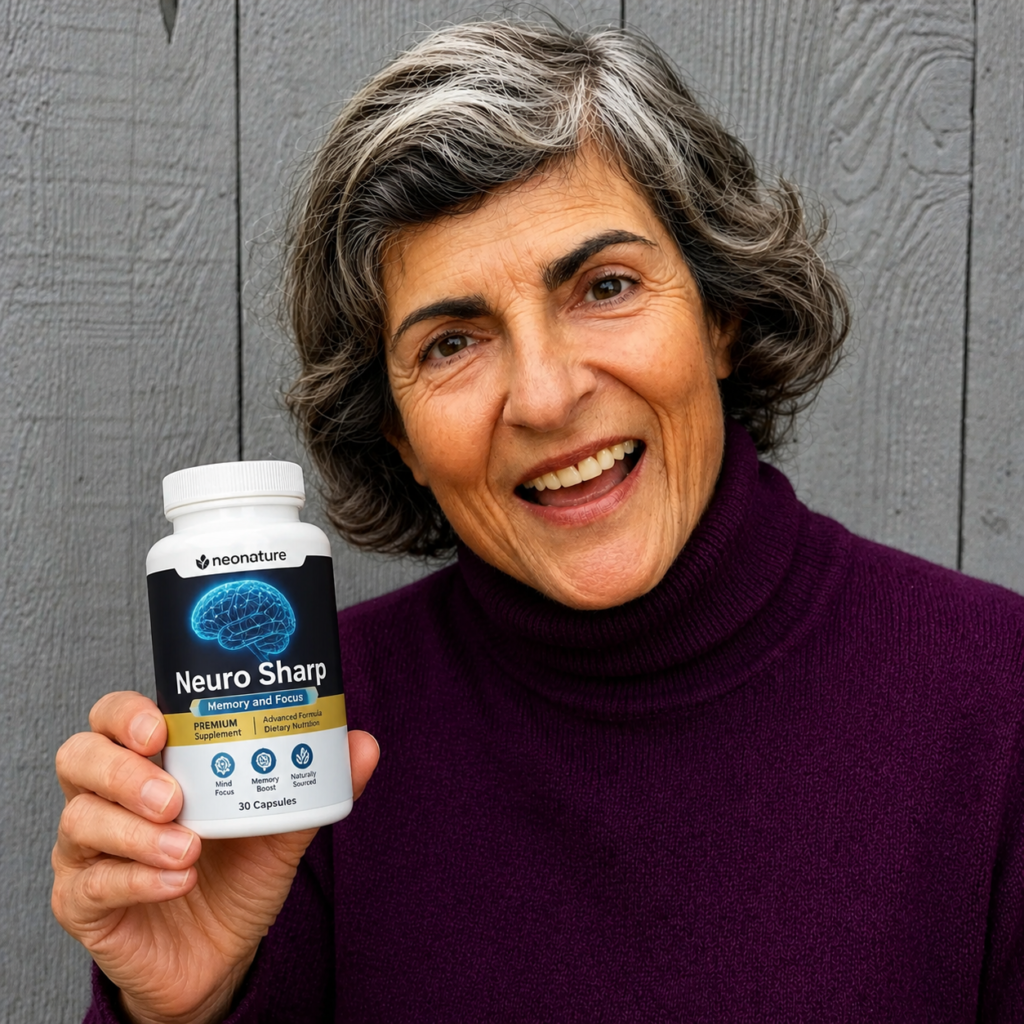
Kayla S., 67 – Austin, TX (US)
⭐⭐⭐⭐⭐ Verified Purchase
“Before Neuro Sharp, I felt like I was always relying on temporary solutions just to deal with the constant nerve discomfort throughout the day. The issue never really felt resolved, only eased for a short time. Since I started using Neuro Sharp every morning, my body feels more balanced, more comfortable, and the sensations are much easier to manage for longer periods. It’s been a simple daily addition, and I love not having to constantly worry about the discomfort anymore!
Now onto more details…
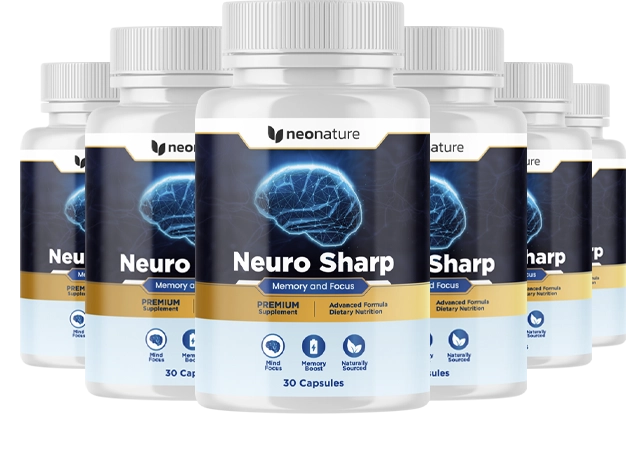
The initial value on the official website is $1074 for a package of 6 bottles, but through the special discount they offer, the same package costs $294, paying only $49 per bottle.
When you decide to purchase Neuro Sharp or related products, your order will be automatically shipped after you’ve filled in the order form and your payment is confirmed.
In no more than 24 hours, you will receive an email with your shipping tracking ID and a personalized link that allows you to check your shipment anytime you like.
After receiving this email, you can rest assured, as your order is on its way to you and will be delivered to the address you have provided as soon as possible.
If, at any time, you have any questions, simply let them know by writing them an email to this address support@beneonature.com

Neuro Sharp comes with a 100% money back guarantee – 90 full days from your original purchase. If you’re not totally and completely satisfied with our product or your results within the first 90 days simply let us know by calling or dropping us an email and you’ll gladly receive a full refund.
That’s right – simply return the product anytime within 90 days of your purchase and you’ll receive a full, no-questions-asked refund. Your refund will be credited back to your bank account, and may take up to 3-5 business days to show in your statement, depending on the speed of the processing bank.
| Paid By / Refund To | Bank Process Time |
|---|---|
| Credit Card | 5-7 Business Days |
| Debit Card | 5-10 Business Days |
| Delivery Address | Shipping Fee | Shipping Time |
|---|---|---|
| United States (1 Bottle) | $9.99 | 5–7 working days |
| United States (Other Packages) | FREE | 5–7 working days |
| Australia and New Zealand | $19.99 | 10–15 working days |
| United Kingdom and Ireland | $19.99 | 10–15 working days |
| Canada | $14.99 | 10–15 working days |
Neuro Sharp has received a high average rating from a large number of user reviews, reflecting strong overall satisfaction and positive feedback. Based on its natural and well-structured formula, Neuro Sharp stands out as an option for individuals looking to support cognitive performance and maintain mental clarity as part of their daily routine.
This supplement takes a comprehensive approach by focusing on key areas such as memory support, focus, mental sharpness, and overall brain function. Whether the goal is to stay productive, improve concentration, or maintain consistent mental energy, Neuro Sharp is positioned as a practical addition to everyday wellness habits.
By combining ingredients commonly associated with cognitive support, Neuro Sharp is designed to help promote clearer thinking, better focus, and a more balanced mental state over time. For those exploring natural ways to support their cognitive function, this review suggests that Neuro Sharp may be worth considering as part of a long-term approach to mental performance.
REAL RESULTS ARE BUILT THROUGH A CONSISTENT ROUTINE
Customers are choosing the 3-bottle and 6-bottle packages because they want more consistent daily support for nerve health, improved comfort, and better overall well-being with Neuro Sharp.
With its carefully selected natural ingredients, easy daily capsule format, and formula designed to support nerve function and overall balance from within, Neuro Sharp has become a popular choice for people looking for a simple and long-lasting addition to their daily wellness routine.
6 bottles at a HUGE discount
FREE USA Shipping + 90-Day No-Risk Money-Back Promise
Limited stock – Only a few left!
Many customers are already adding Neuro Sharp to their daily routine to support better nerve comfort, mobility, and overall quality of life with continued use.
Take advantage of this special offer before stocks run out.

Neuro Sharp – Frequently Asked Questions
Find clear and helpful answers about Neuro Sharp, usage, expectations, and more.
What makes Neuro Sharp different from other brain supplements?
Neuro Sharp is formulated with a combination of well-known, research-backed ingredients commonly associated with cognitive support. The product is manufactured in the USA following strict quality standards, focusing on consistency and transparency.
How long does it take to notice results?
Some users report gradual improvements in focus and mental clarity within a few weeks of consistent use. However, results may vary depending on individual factors, routine, and lifestyle.
Is Neuro Sharp safe for daily use?
Neuro Sharp is developed for daily use and produced under strict safety standards. As with any supplement, it’s recommended to consult a healthcare professional before starting, especially if you have medical conditions or take medications.
What does each bottle contain?
Each bottle typically provides a one-month supply. The formula includes a blend of ingredients commonly associated with supporting memory, focus, and overall cognitive performance, all listed clearly on the label.
Is there a satisfaction guarantee?
Yes, Neuro Sharp is usually backed by a 90-day money-back guarantee. If you’re not satisfied, you can request a refund according to the terms provided by the official seller.
What is the best package for consistent results?
Many users choose multi-bottle packages for longer-term use, as consistency over time is often recommended when using supplements designed for daily support.
How do I place an order?
Orders can be placed through the official website by selecting your preferred package and completing the secure checkout process. This helps ensure authenticity and access to guarantees.
Disclaimer: The statements made regarding this product have not been evaluated by the Food and Drug Administration. The information provided is not intended to substitute or replace any medical treatment. It is advisable to consult with a healthcare professional for personalized health advice. Individual results may vary.
Marketing Disclosure: This website functions as a marketplace. Therefore, it is important to note that the owner of this website has a financial association with the products and services advertised on the site. The owner receives compensation when a qualified lead is referred, but that is the extent of the relationship.
Advertising Disclosure: This website and the products and services mentioned on the site are part of an advertising marketplace. It is important to understand that this website operates as an advertisement and not a news publication. Any depictions of individuals on this site are models. The owner of this site, as well as the products and services mentioned, solely offers a platform for consumers to obtain and compare information.
© Copyright 2026. All Rights Reserved.